

In a nutshell:
- AI-generated images are a game-changer for content marketing—but they can also be a pitfall if licensing issues, brand consistency, or factual accuracy are underestimated.
- We’ll show you when AI images really make sense in B2B content, which tools will be leading the pack in 2026, and where the legal pitfalls lie.
AI-generated images offer groundbreaking opportunities in content marketing to create unique visual content. Thanks to advanced machine learning and text-to-image technologies, marketing teams can now produce high-quality, relevant images in seconds that are precisely tailored to their target audience.

Text-to-Image: From Text to Visual Masterpiece
Text-to-image technologies transform detailed text descriptions into stunning visual images. Using advanced AI algorithms and deep learning models such as DALL-E, Midjourney, Imagen, and Parti, these systems interpret the described content and translate it into photorealistic or artistically designed images. Parameters such as style, creativity, and accuracy can be adjusted to achieve the desired results. These technologies have the potential to transform the creative industry by enabling the creation of engaging visual content even without years of practice in drawing or retouching.
Well-known text-to-image tools
- Midjourney: Available since July 2022, Midjourney allows users to generate impressive images using simple text commands (prompts). The latest version, Midjourney V6, offers higher resolution of up to 2048×2048 pixels, improved natural language processing, and advanced upscaling capabilities.
- DALL-E: Developed by OpenAI, DALL-E 3 is capable of precisely executing complex text instructions and is integrated into ChatGPT. This AI avoids violent, hateful, and adult content and offers artists the option to prevent their works from being used for AI training.
- Imagen: Google’s text-to-image generator is integrated into Vertex AI and enables application developers to generate high-quality visual assets in seconds. Imagen supports creating new images, editing uploaded or generated images, optimizing existing images, as well as visual captioning and Visual Question Answering (VQA).
- Parti: Another text-to-image generation model from Google based on autoregressive models. Parti treats text-to-image generation as a sequence-to-sequence modeling problem and can generate high-quality, visually diverse images as well as support image editing via text prompts.
These tools offer a wide range of possibilities for AI-powered image creation and editing, with each tool having its own strengths and areas of application. The more precise and detailed the text description, the more accurately the generated image will match the user’s vision. Text-to-image technologies open up fascinating options for transforming creativity and imagination into impressive visual masterpieces.
Image-to-Image: Reinterpreting Existing Images
Image-to-image technologies open up a whole new dimension for designing visual content by using existing images as a starting point. By providing the AI with image URLs in addition to a text prompt, the system can reinterpret and modify these images. This offers a wide range of creative possibilities, from adjusting an image’s style to adding or removing elements, all the way to placing the subject in a completely new context. This technique is ideal for further developing existing visual content and adapting it to changing requirements.

A picture is worth a thousand words, and adding a visual component to your content marketing can significantly amplify your message. With image-to-image technologies, you can refresh and update the visual appeal of your content without having to create everything from scratch. Here are some of the possibilities:
- Style adjustment: Change the look of an image to better align with your brand style or current design trends.
- Add or remove elements: Is a specific detail out of place? Simply have the AI remove it, or add additional elements to enrich the overall image.
- Change contexts: Place the main subject of an image in a new setting to enhance its impact or tell a different story.
Practical Applications
Imagine you have a great photo of your product, but the background doesn’t fit with your current marketing campaign. With image-to-image technologies, you can easily change the background without having to organize a new photo shoot. Or perhaps you want to modernize an image by adapting the style to the current season—that’s also possible with just a few clicks.
These technologies help marketing teams respond flexibly and quickly to new requirements without compromising the quality of visual content. Combined with text-to-image technologies, they offer a comprehensive range of tools to create visual content more creatively and efficiently.
Unleash your creativity and harness the power of image editing to make your marketing message even more visually impactful.
Ethical Considerations for AI-Generated Images

The use of AI-generated images in marketing brings numerous creative possibilities, but requires careful ethical management. Here are some key points companies should keep in mind:
Maintaining historical accuracy
An essential aspect of using AI-generated images is maintaining historical accuracy, particularly when depicting people and events. Developers and content creators must ensure they do not distort historically accurate information to make creative adjustments. For example, images depicting historical figures or events should be thoroughly vetted to prevent misinterpretations or the spread of misinformation.
Promoting diversity and inclusivity
AI-generated images offer a unique opportunity to promote diversity and inclusivity. This means that visual content should be designed to represent a wide range of people and cultures. At the same time, however, this inclusion must be implemented carefully to ensure that historical facts and cultural characteristics are not distorted. It is necessary to strike a balance and portray all depicted scenarios and individuals respectfully and accurately.
Avoiding Stereotypes and Prejudices
A major ethical dilemma with AI systems is the risk of reinforcing stereotypes and biases, as they are often trained on pre-existing, unbalanced datasets. It is therefore essential that developers ensure their training datasets are diverse and balanced. Regularly reviewing and adjusting these datasets can help minimize negative biases and ensure that AI-generated images do not reflect discriminatory content.
Copyright and the Use of Training Data
The issue of copyright is also of fundamental importance. Developers must ensure that the training data used for AI models is legally sound and used with the permission of the copyright holders. Unauthorized use of images or other creative works not only poses a legal risk but also undermines the ethical standards of business practice.
Responsible Use of Technology
Responsible use of technology requires companies to ensure transparency regarding the use of AI and to make conscious decisions that align with ethical principles. This includes clearly labeling AI-generated content as such and continuously integrating ethical considerations into the use of the technology.
Overall, the ethical use of AI-generated images in content marketing requires a careful balancing of creative freedom and ethical responsibilities.
Creative Applications in E-Commerce
AI-generated images open up a wide range of creative possibilities in e-commerce. They offer innovative ways to design products and content in an appealing manner, thereby increasing customer loyalty and sales.

Unique product images
With the help of text-to-image technologies, online stores can generate suitable product images. These images can be tailored precisely to the target audience and create unique visual experiences. For example:
- Personalization: Automatically generated product images can be personalized and dynamically adapted to customers’ preferences and behavior.
- Diverse presentation: Different styles and views of a product can be easily created without the need for elaborate photo shoots.
Content Marketing and Social Media
Automatically generated images offer significant added value for content marketing:
- Visual Enhancement: Blog posts, social media posts, and email campaigns can be enhanced with unique, AI-generated images. This can effectively capture the target audience’s attention and improve engagement rates.
- Campaign diversity: Different visual themes and styles can be easily implemented to support various campaigns and promotions.
Increasing the Average Order Value
Improving the visual presentation of products can increase the average order value. Appealing and detailed product images can positively influence purchasing decisions by giving customers a clearer picture of the products.
Applications for corporate websites
AI-generated images can also be effectively integrated into corporate websites to enhance the visual experience for visitors and strengthen brand identity.
Background images, banners, and sliders
The visual <adata-wpil href="https://waterproof.agency/blog/seo-fuer-stellenanzeigen-sichtbarkeit" data-wpil-monitor-id="42" class="lnk">design of websites can be significantly improved with AI-generated images:</adata-wpil>
- Custom design: Unique background images, banners, and sliders that are precisely tailored to the brand identity can enhance the website’s visual appearance.
- Consistent design: Using appropriate images helps create a consistent and memorable visual identity.
Blog posts and product presentations
Not only standard pages, but also content such as blog posts and product presentations benefit from AI-generated images:
- Attractive illustrations: Visually appealing illustrations can make complex topics and products easier to understand, which helps capture readers’ attention and improve comprehension.
- Coherent brand communication: A consistent visual style across the entire website reinforces the coherence of the brand message and ensures a professional appearance.
Ensuring Ethical Standards
Companies should ensure that the images used comply with ethical standards and do not contain inappropriate depictions. Adherence to ethical guidelines fosters user trust and supports the brand’s long-term reputation.
Prompt creation: Not to be underestimated
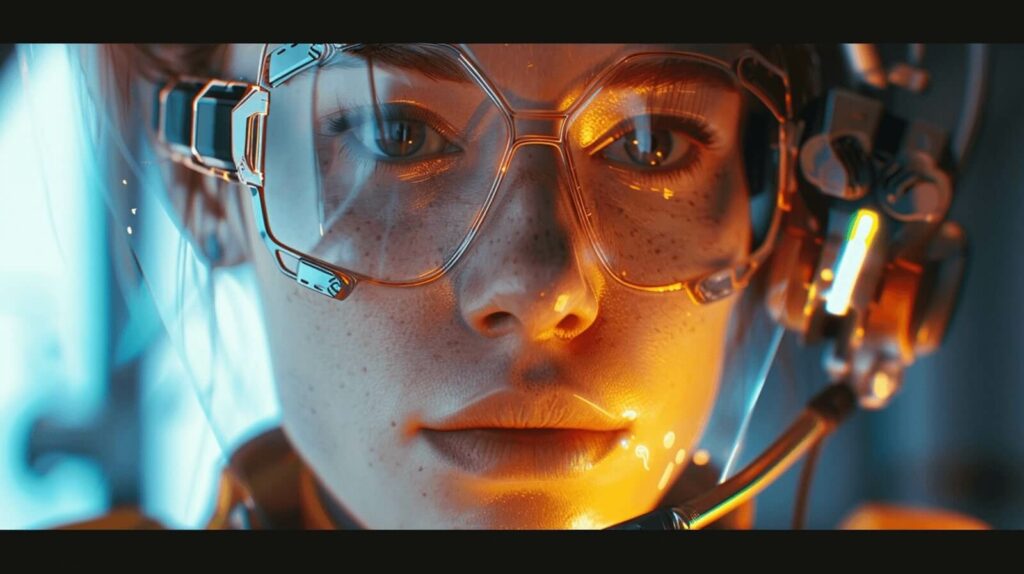
The effort required to create effective prompts—also known as prompt design or prompt engineering—should not be underestimated. This process requires a deep understanding of how AI systems function and interpret words. Here are some key aspects:
Understanding How AI Works
To create high-quality prompts, several key components must be considered:
- Using examples as a reference: Examples help the AI recognize and mimic patterns. This improves the accuracy and consistency of the generated images.
- Defining parameters: The type of data to be analyzed, as well as specific actions to be performed, must be clearly defined.
Structured prompts
Well-structured prompts are crucial for precise and relevant results:
- Paragraphs and lists: A clear structure using paragraphs and lists helps the AI recognize the start of a new semantic unit and understand it better.
- Separators: Separators can be used to separate different parts of the prompt and increase clarity.
Additional Context
Additional context can help the AI better understand the task and thus deliver more precise results:
- Detailed descriptions: Comprehensive and precise descriptions help the AI accurately grasp the requirements and expectations.
- Reference to target audience and purpose: Information about the target audience and the purpose of the generated content can improve the relevance and quality of the results.
In summary, AI-generated images and the careful crafting of prompts offer unparalleled opportunities to create creative and ethically sound content. By combining innovative technology with responsible practices, companies can elevate their visual content to a new level while adhering to ethical standards and legal requirements.